




Is Guar Gum Keto?
June 11, 2019
How many times have we been warned that if we “See an ingredient we don’t recognize, our body won’t either.” Many keto dieters and paleo dieters alike have adopted this food ideology, almost without question.
Learn about ingredients, their health benefits, and how they fit into various dietary approaches.
How many times have we been warned that if we “See an ingredient we don’t recognize, our body won’t either.” Many keto dieters and paleo dieters alike have adopted this food ideology, almost without question.
Maltodextrin is a polysaccharide that is most often added during processing of foods and is used as a thickener, filler, to add texture, or to improve the mouth-feel of a food.
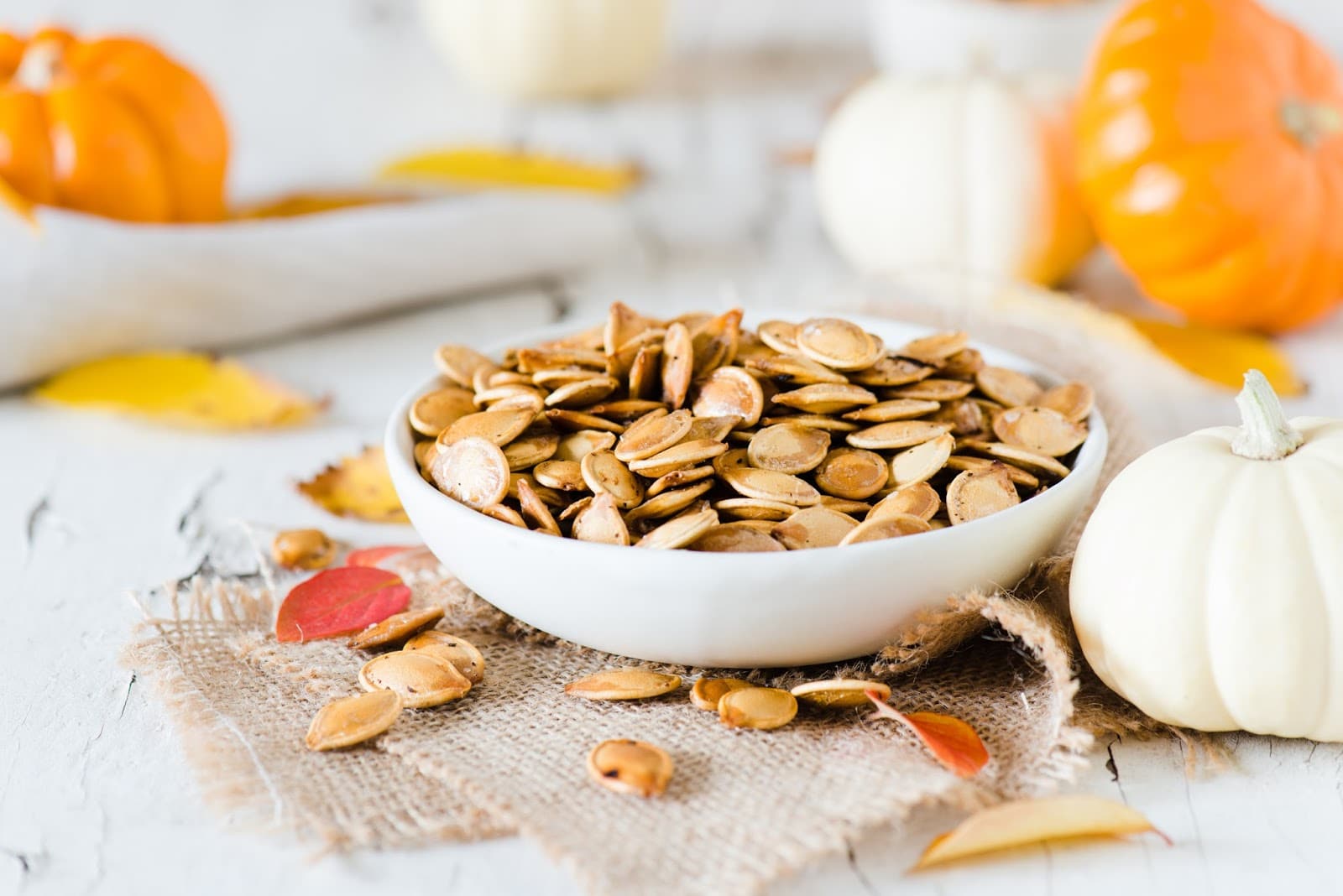
Pumpkin seeds may be one of the most undervalued sources of nutrition in the world today. Mostly known for their fiber content, protein content, and recipe applications— there is still more to the pumpkin seed that meets the eye.
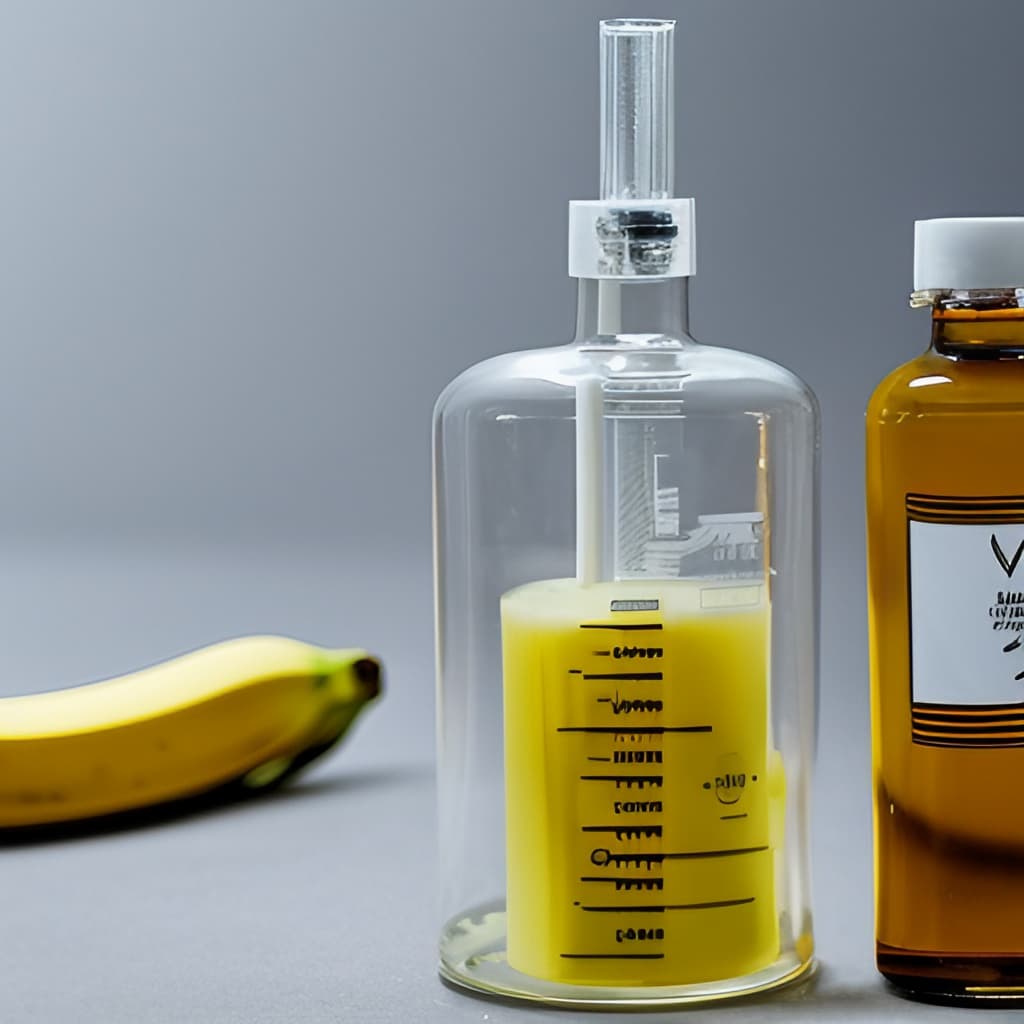
Isoamyl Alcohol is a colorless liquid with a mild alcohol odor. It is less dense than water and water soluble, so it floats on water. Manufacturing isoamyl alcohol involves fractional distillation from light petroleum. It is mainly used as a food additive specifically for the production of the organic compound Isoamyl Acetate, which is also known as Banana Essence or banana flavor concentrate. What is Banana Essence? Banana Essence is an ester formed from combining isoamyl alcohol...

Gum Arabic, also known as Gum Acacia, is a tree gum exudate that has been an important commercial ingredient since ancient times. The Egyptians used it for embalming mummies, and for making paints for hieroglyphic inscriptions. However, in recent years, a renewed interest in Gum Arabic has occurred, as more articles are published concerning its structure, properties, and novel applications in food and pharmaceuticals. Gum Arabic is a tree exudate that is obtained mainly from the Acacia...
Glutamate flavoring is the term used for flavor-enhancing compounds like glutamic acid and its various salts or glutamates. The taste they impart is called “umami,” or having a savory characteristic typical to that of broths and meat-based dishes. Glutamates are used in many food products including fermented foods, soy sauce, cheese, and even yeast extract. [1] However the most popular and controversial glutamate is synthetic monosodium glutamate (MSG). Glutamic acid is an amino acid that is...
The answer is simple: we should learn more about the compound before we freak out over another clickbait title like this one. Good thing you're here. What is Ferrocyanide and why is in our food? Ferrocyanide is a salt ion and comes mainly in three forms as a food additive: Sodium ferrocyanide, potassium ferrocyanide, and calcium ferrocyanide, with the first form being the most common. Although many salts of cyanide are highly toxic, food-grade forms of ferrocyanide are far less toxic because...
Calcium Acid Pyrophosphate (CAPP) is an anhydrous phosphate salt. It appears as a fine, white powder and is produced from two main raw materials: Calcium Hydroxide and Phosphoric Acid. Some are produced with Calcium Carbonate and Calcium Oxide. [1] CAPP is used mainly as a raising agent in the baking industry, particularly in quick breads and sweet bakery products. It is also utilized as a complementary nutrient source for calcium which can potentially improve the nutritional content of the...
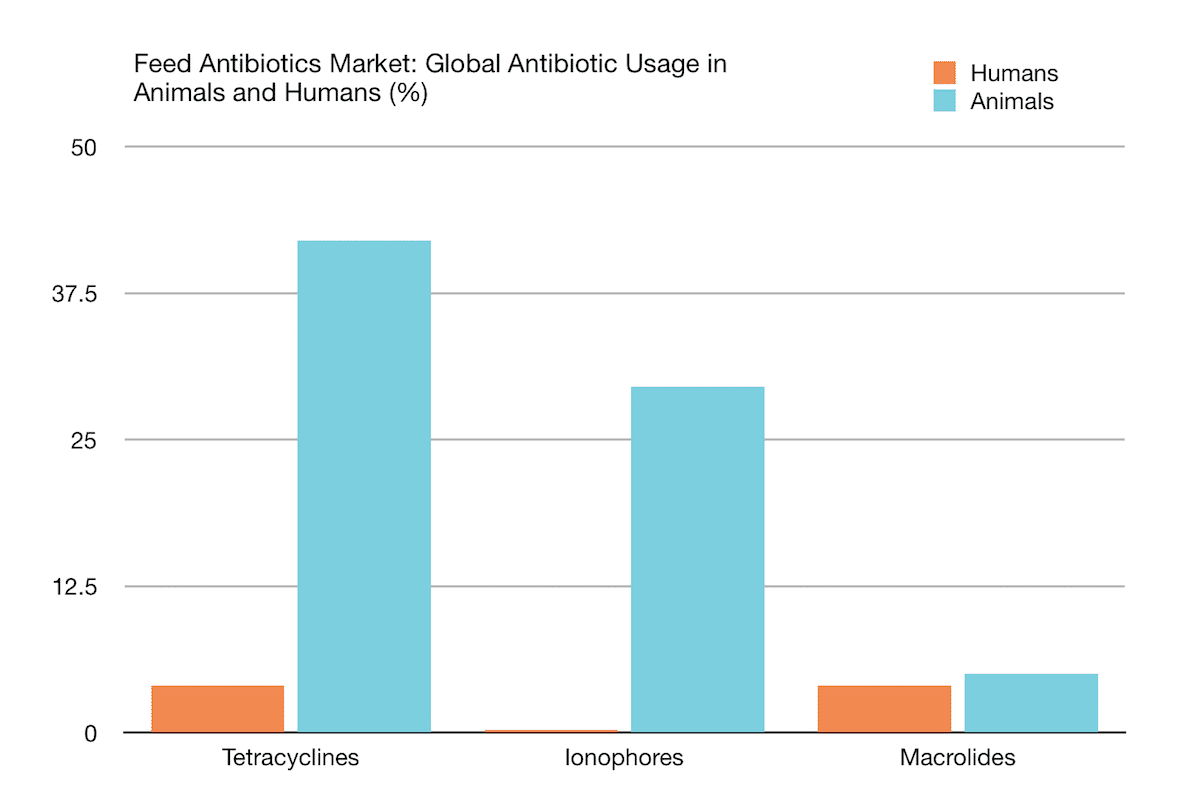
Antibiotics are used for clinical management of infections in humans, animals, and even plants. However, the antibiotics produced are not exclusively used in non-therapeutic doses though. In the United States alone, over 24.6 million pounds of antibiotics are used in farms mostly to act as growth promoters. According to a 2013 study, of the 13 million kg of antibiotics given to animals in 2010, the vast majority was meant for promoting the growth of the livestock. [1, 2] The main purpose...
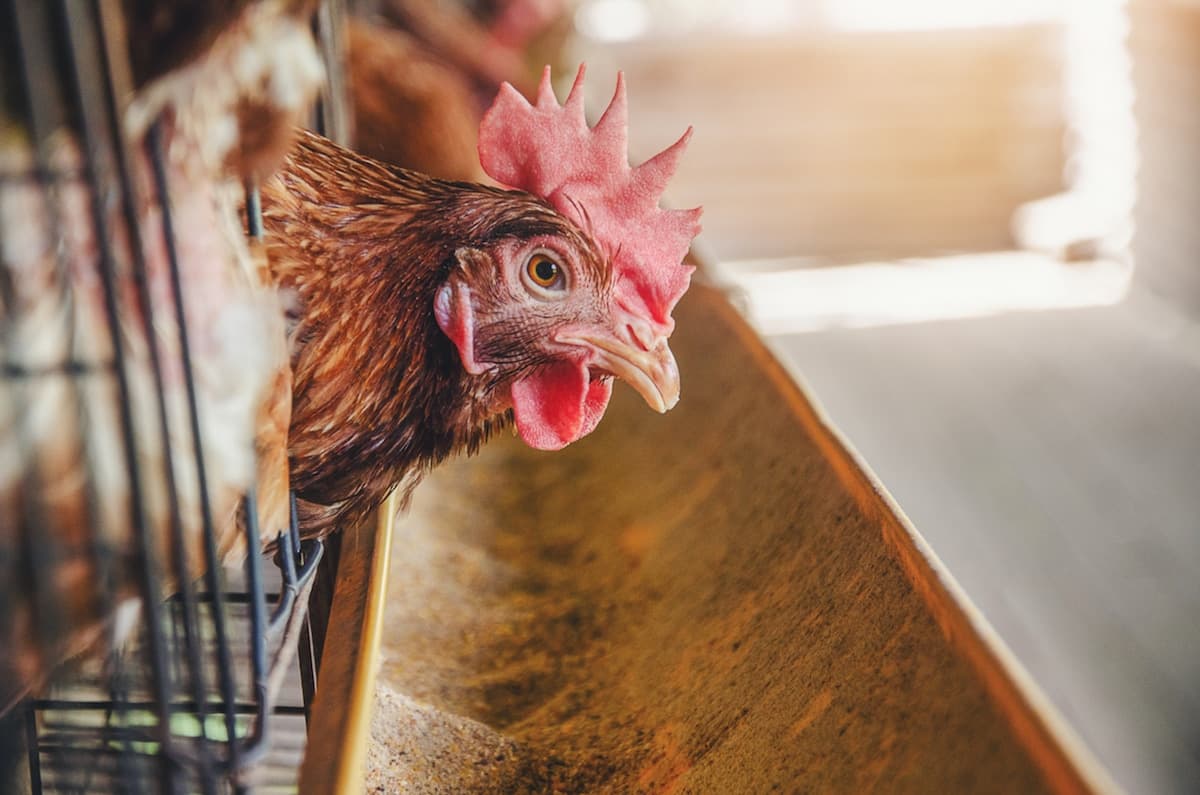
Arsenic is a naturally occurring substance in the environment and is considered a contaminant in soil, water, air, and even food. While the compound is not for consumption, it's less toxic organic form was commonly used in popular poultry and swine feeds to promote weight gain and prevent parasitic infections in poultry and swine. Popular poultry and swine feed additives that contain arsenic include roxarsone, arsanilic acid, and carbarsone. Why Arsenic Was Used in Poultry and Swine Feed While...