



Absorption, metabolism, excretion, and health outcomes of sugar alcohols
November 29, 2022
Food manufacturers routinely use sugar alcohols as substitutes for sugar due to their low calorie content and other health benefits.
Learn about ingredients, their health benefits, and how they fit into various dietary approaches.
Food manufacturers routinely use sugar alcohols as substitutes for sugar due to their low calorie content and other health benefits.
Despite the healthful influence prebiotic fiber can have on reducing the risk of chronic disease, the intake remains low in many populations worldwide, in particular in the U.S.A. It is extremely difficult to get 30-50 grams of fiber per day with commonly available, whole foods.
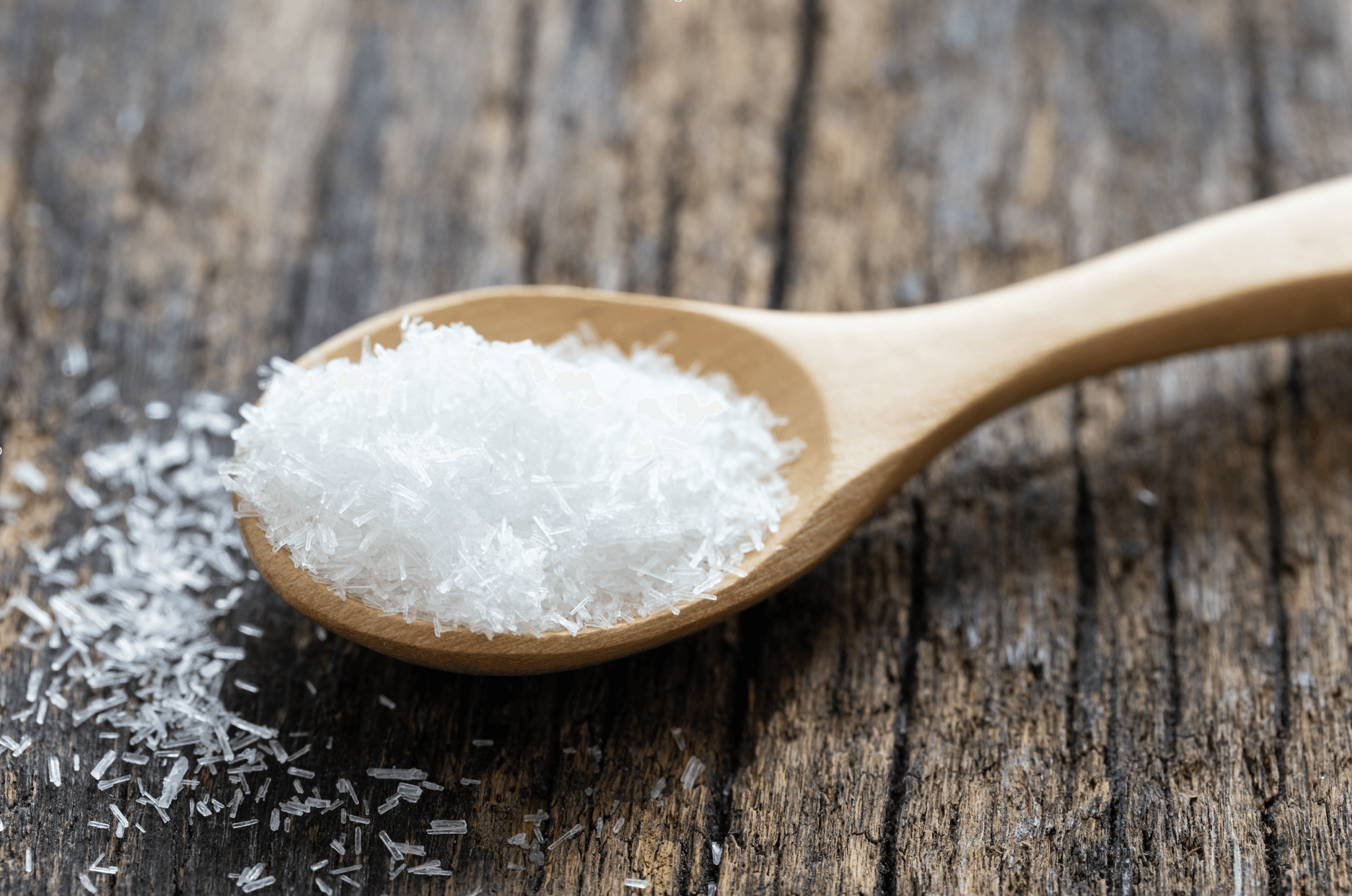
Dozens of online resources have suggested that guar gum is a hidden source of glutamate, but this appears to be nothing more than a simple case of blatant misreporting and regurgitation of bad information.
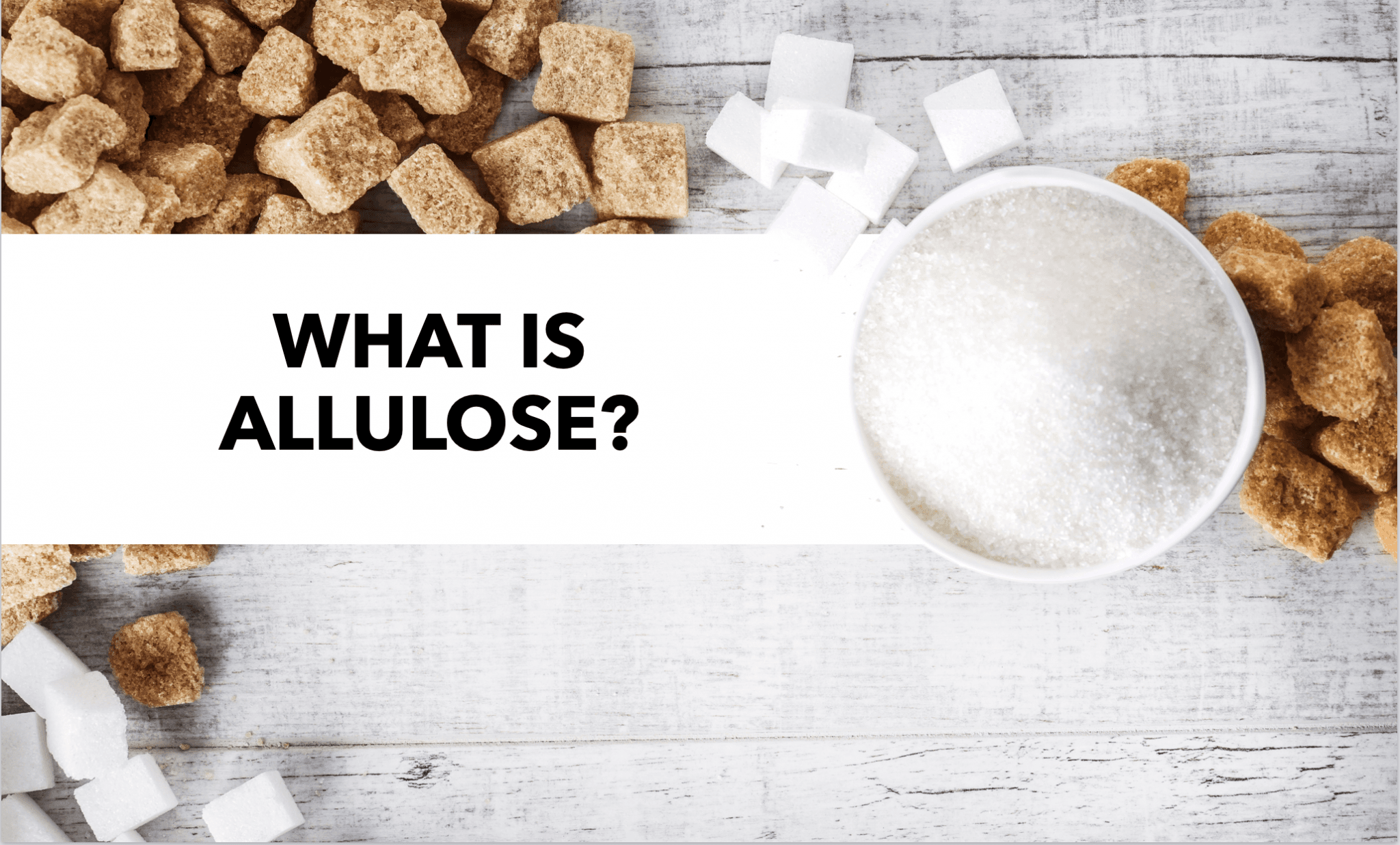
!What is Allulose? Everything You Need to Know in 300 Words or Less Allulose is a low-calorie (0.2 kcal/g) monosaccharide present in some foods in very small amounts, and is currently mass-produced through enzymatic conversion of fructose (the enzyme tagatose 3-epimerase converts fructose to...
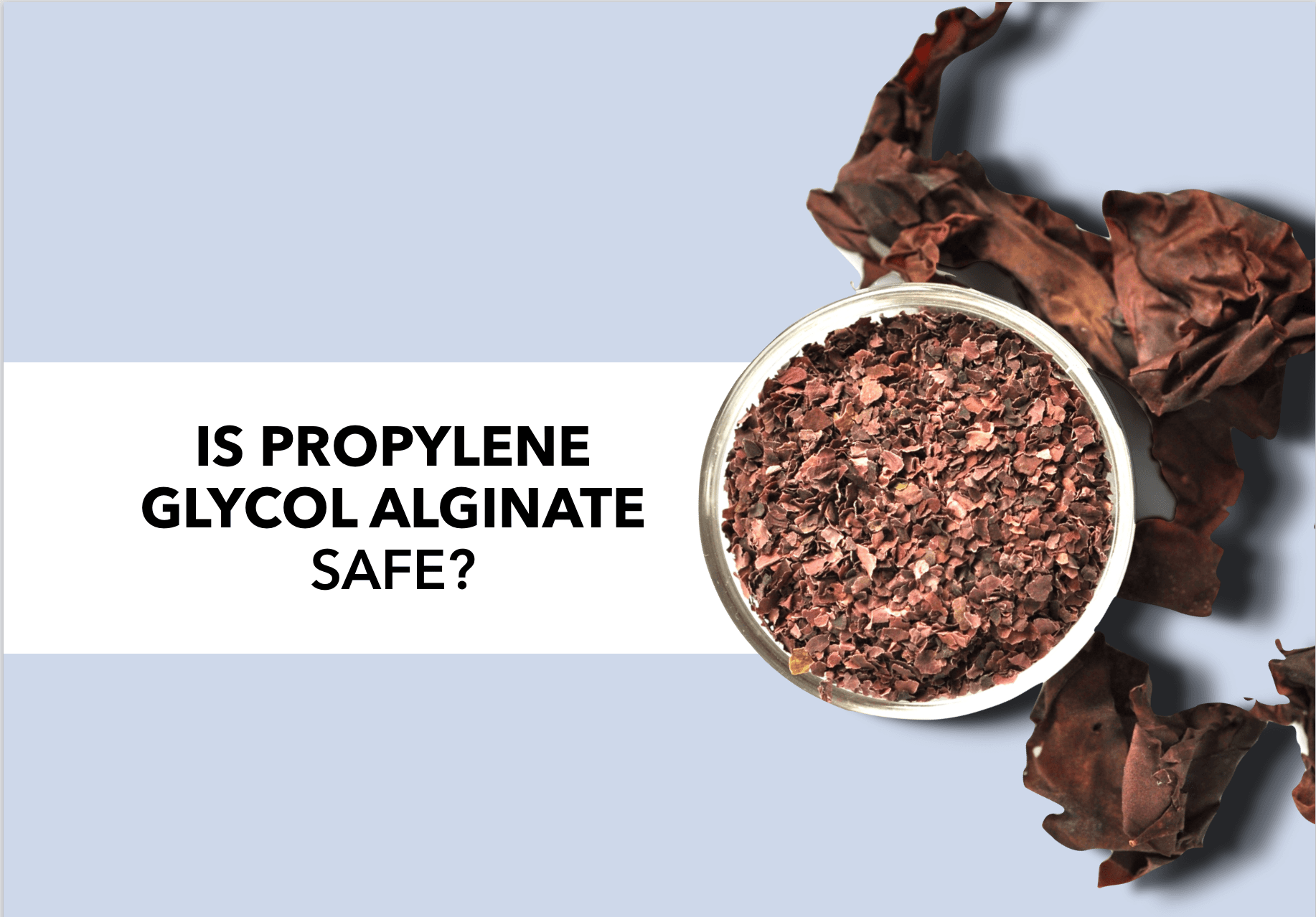
Propylene glycol alginate (PGA) is an ester of alginic acid, derived from brown seaweed, and food additive used to stabilize, thicken, and emulsify [1]. Brown seaweeds have been used as a food for centuries but it is only since 1929 that alginates have been manufactured on an industrial scale [2]. Chemically, propylene glycol alginate is an ester of alginic acid, which is derived from kelp. Alginic acid, also referred to as algin or alginate, is a hydrophilic or anionic polysaccharide...
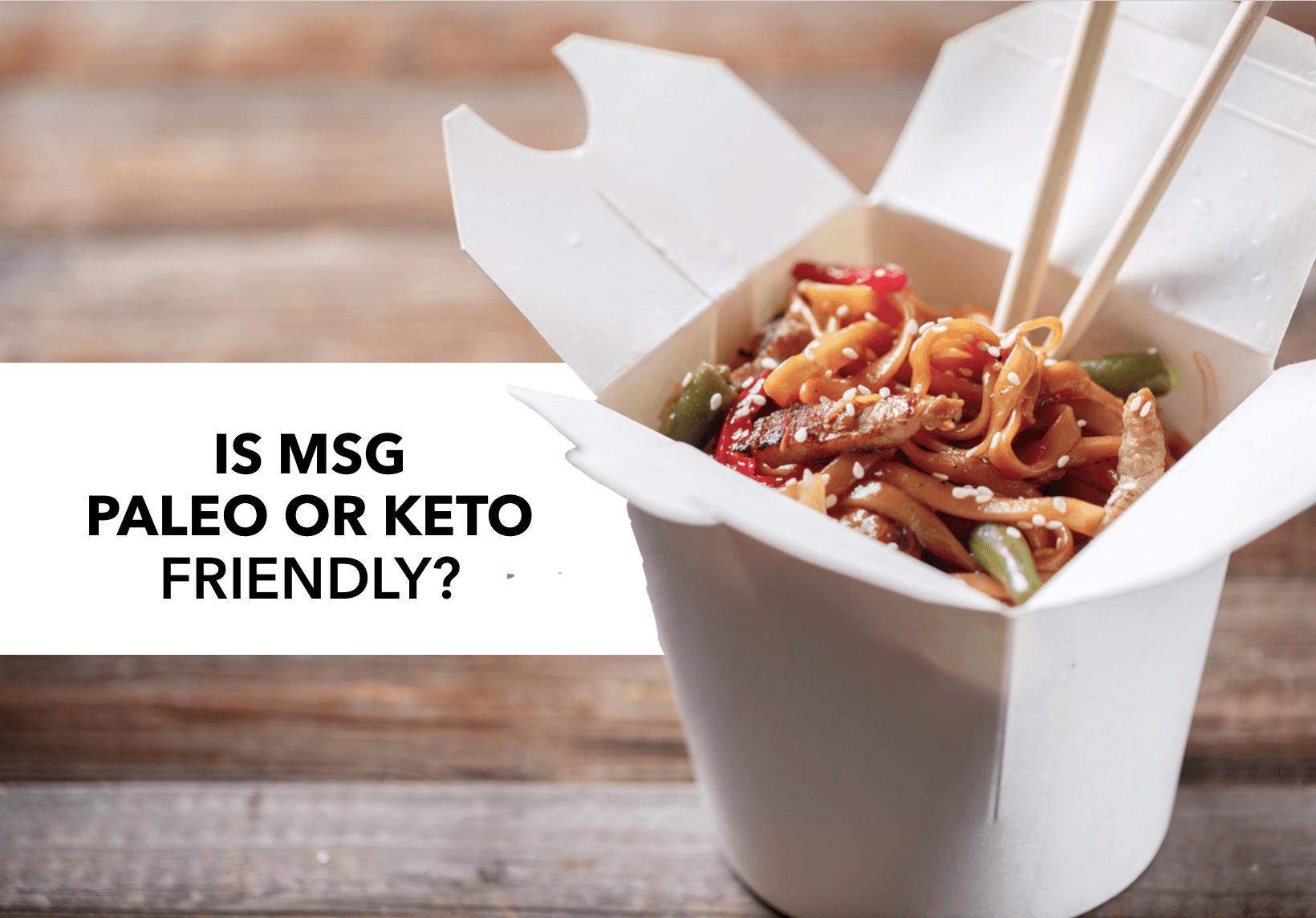
Monosodium glutamate (MSG) is composed of sodium and the amino acid glutamate. Sodium is an essential mineral, and glutamate is the most abundant amino acid in the human brain and the most common neurotransmitter in the body [1]. MSG is a popular food additive due to stimulating savory taste receptors and giving food a “meatier” flavor [2, 3]. From a purely chemical standpoint, MSG is simply degraded into sodium and glutamate during the digestive process. The MSG food fears were born from a...
The sugar cane or sugarcane plant was not available in the areas that Paleolithic humans occupied. 2 ) The technology to produce sugar cane juice did not exist in the Paleolithic era. Sugar cane juice has a high score on the glycemic index. Sugar cane juice does not contain any nutrients.
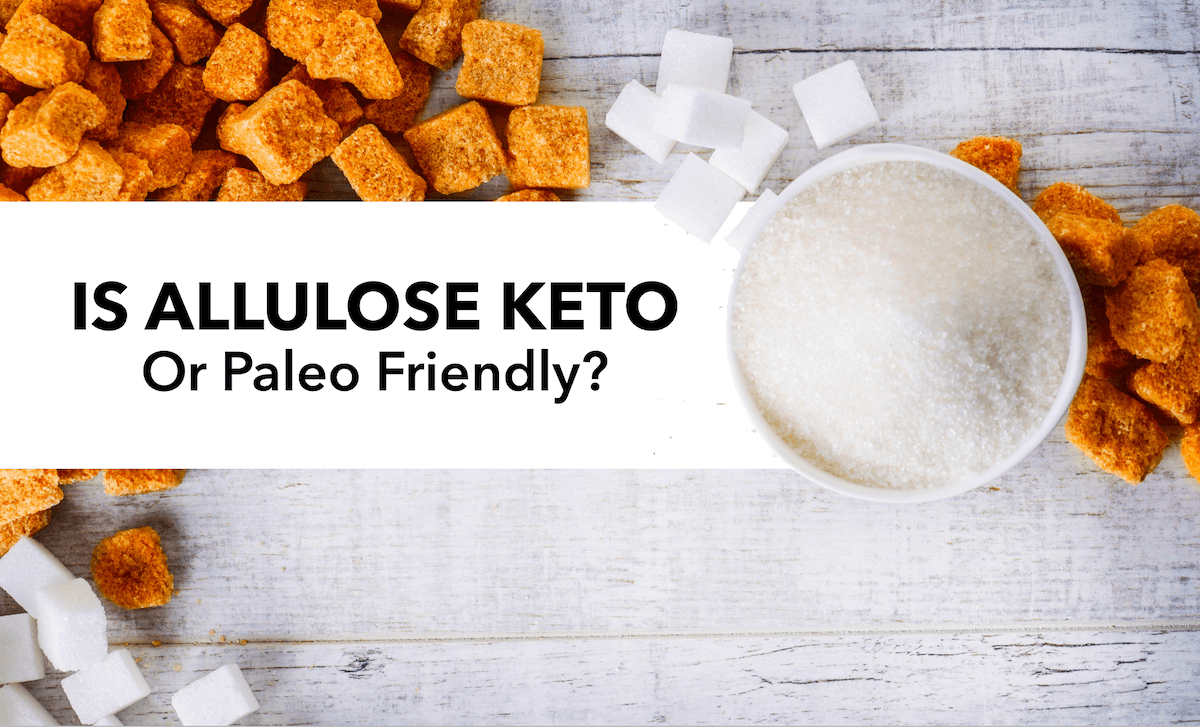
One of the biggest challenges that people on the Keto, Paleo, or other low-carb diets face is finding alternatives for some of the food items that defined our eating habits for years. For example, while whole wheat bread is not compatible with people trying to limit their carb intake to 30 grams per day, it can be hard to change our breakfast habits if we have grown accustomed to eating toast for breakfast. Keto-friendly bread alternatives, however, would allow people on a low carb diet to...
The gummy, purified secretion of the bacteria Xanthomonas Campestris, is best known by its completely trivial name ‘xanthan gum.’ Xanthan gum is a common food additive that is prevalent in many grain-free and gluten-free foods.
Xanthan gum is a common food additive found in many products. Should you be concerned about consuming it?