

Itraconazole: An Affordable Treatment for COVID-19?
I spend most of my time reading studies and textbooks on diets, ingredients, and human diseases. In 2019 I had to do extensive research into Feline Infectious Peritonitis (FIP), which is caused by feline coronavirus (FCoV), and came across research on the antifungal drug itraconazole. Research has since shown that itraconazole did not work against COVID-19, and it should not be used to prevent or treat it...
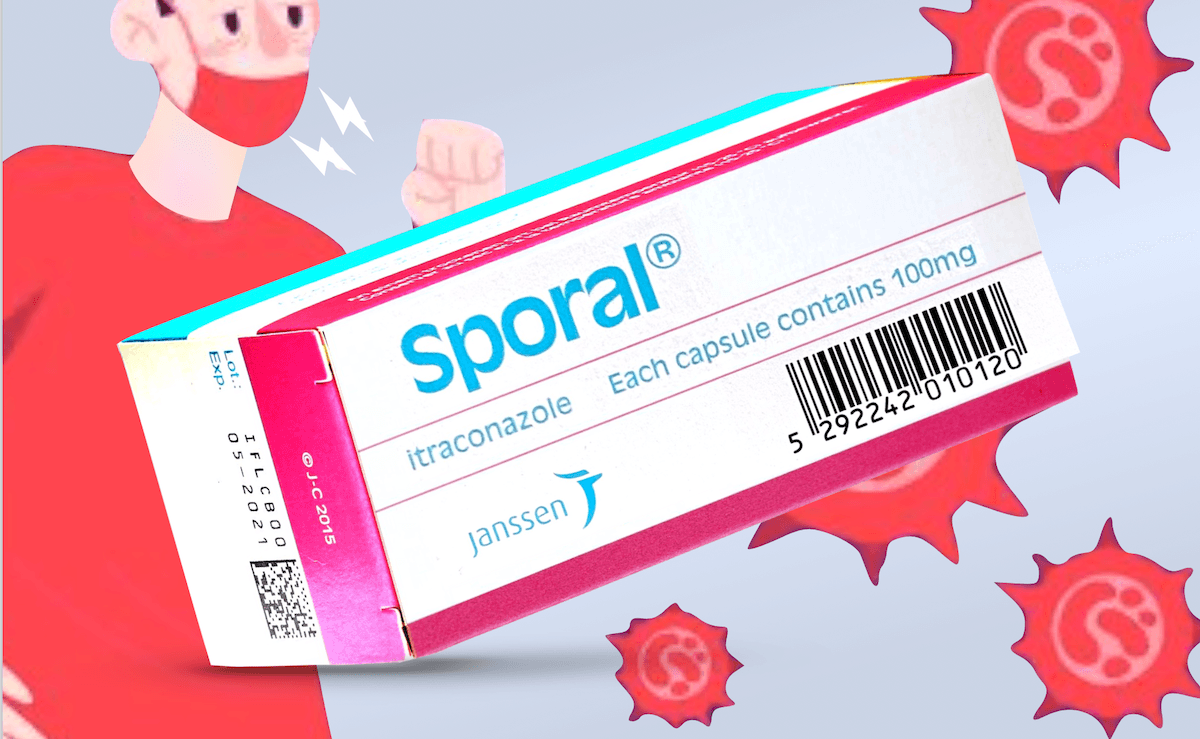
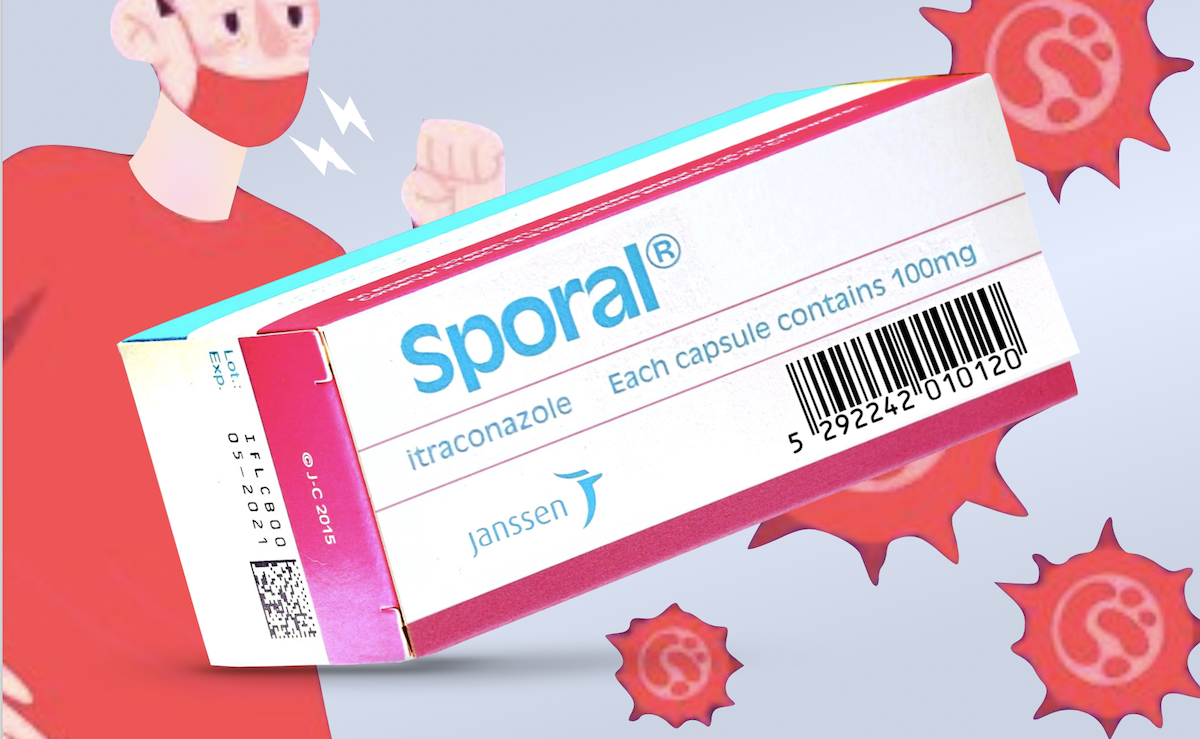
I spend most of my time reading studies and textbooks on diets, ingredients, and human diseases. In 2019 I had to do extensive research into Feline Infectious Peritonitis (FIP), which is caused by feline coronavirus (FCoV), and came across an unconventional line of research on the antifungal drug itraconazole. When COVID-19 emerged in early 2020, many people wondered whether drugs studied against FCoV might also work against SARS-CoV-2, the virus that causes COVID-19, and itraconazole was one of them. Research has since answered that question: itraconazole did not work against COVID-19, and it should not be used to prevent or treat it.
Why itraconazole was considered
In cell culture, itraconazole showed antiviral activity against type I FCoV [1]. Itraconazole and other triazole antifungals bind the protein NPC1 and block cholesterol export from lysosomes [2], and another cholesterol transport inhibitor, U18666A, also inhibits type I FCoV in cell culture [3]. Cholesterol plays a role in FCoV infection [4], and the original SARS coronavirus enters cells through an endocytic pathway [5]. Itraconazole also showed activity against SARS-CoV-2 in laboratory cell lines [6].
However, FCoV and SARS-CoV-2 are not close relatives. FCoV belongs to the genus Alphacoronavirus [7], while SARS-CoV-2 belongs to the same species as the original SARS coronavirus [8]. Activity against a virus in a cell dish does not show that a drug will work in people.
What the research found
Researchers at KU Leuven tested itraconazole directly [6]. In a hamster model of SARS-CoV-2 infection, itraconazole did not reduce viral load in the lungs, stools or ileum, despite adequate drug levels in plasma and lung, and it failed to prevent transmission. In a randomized clinical trial of hospitalized COVID-19 patients, adding itraconazole to standard care showed no signal of benefit (ratio of geometric means of the cumulative clinical-status score 1.01, 95% CI 0.85 to 1.19), and the trial was stopped early.
The other drugs that drew early attention are either a different class or also failed in trials. GS-441524 is a nucleoside analog studied in cats with FIP [9], not a cholesterol transport inhibitor. Hydroxychloroquine (Plaquenil) showed activity against SARS-CoV-2 in vitro [10], but in the large RECOVERY randomized trial of hospitalized patients it did not reduce 28-day mortality (27.0% vs 25.0% with usual care; rate ratio 1.09, 95% CI 0.97 to 1.23) [11].
Do not self-medicate
Oral itraconazole is a prescription medicine. Its FDA label carries a boxed warning on congestive heart failure, cardiac effects and drug interactions, and the drug has been associated with rare cases of serious hepatotoxicity [12]. There is no established human dose of itraconazole for COVID-19, and a dose used in cats cannot be converted into one. Please do not take itraconazole, or any other prescription drug, to prevent or treat COVID-19 on your own.
FDA-approved COVID-19 treatments are available for certain patients, including Paxlovid (nirmatrelvir and ritonavir) and Veklury (remdesivir) [13]. If you have symptoms or test positive, work with your clinician on testing, prevention and treatment.
What about chaga?
Polysaccharides from the chaga mushroom (Inonotus obliquus) showed antiviral activity against several feline viruses, including feline infectious peritonitis virus, in cell culture [14], and an aqueous chaga extract inhibited herpes simplex virus entry in vitro [15]. Extracts of other polypore mushrooms have also shown antiviral activity in laboratory tests [16]. None of these studies tested SARS-CoV-2 or people, so they do not show that chaga prevents or treats COVID-19.
Stay safe, everyone. Sincerely, Karen Karen Pendergrass Paleo Foundation | Standards Team
References:
- Takano, T., Akiyama, M., Doki, T., & Hohdatsu, T. (2019). Antiviral activity of itraconazole against type I feline coronavirus infection. Veterinary Research, 50(1), 5. doi:10.1186/s13567-019-0625-3
- Trinh, M. N., Lu, F., Li, X., Das, A., Liang, Q., De Brabander, J. K., … Goldstein, J. L. (2017). Triazoles inhibit cholesterol export from lysosomes by binding to NPC1. Proceedings of the National Academy of Sciences, 114(1), 89–94. doi:10.1073/pnas.1619571114
- Takano, T., Endoh, M., Fukatsu, H., Sakurada, H., Doki, T., & Hohdatsu, T. (2017). The cholesterol transport inhibitor U18666A inhibits type I feline coronavirus infection. Antiviral Research, 145, 96–102. doi:10.1016/j.antiviral.2017.07.022
- Takano, T., Satomi, Y., Oyama, Y., Doki, T., & Hohdatsu, T. (2016). Differential effect of cholesterol on type I and II feline coronavirus infection. Archives of Virology, 161(1), 125–133. doi:10.1007/s00705-015-2655-0
- Wang, H., Yang, P., Liu, K., Guo, F., Zhang, Y., Zhang, G., & Jiang, C. (2008). SARS coronavirus entry into host cells through a novel clathrin- and caveolae-independent endocytic pathway. Cell Research, 18(2), 290–301. doi:10.1038/cr.2008.15
- Liesenborghs, L., Spriet, I., Jochmans, D., et al. (2021). Itraconazole for COVID-19: preclinical studies and a proof-of-concept randomized clinical trial. EBioMedicine, 66, 103288. doi:10.1016/j.ebiom.2021.103288
- Doki, T., Shinohara, M., To, S., & Takano, T. (2025). Molnupiravir inhibits replication of multiple Alphacoronavirus suis strains in feline cells. Pathogens, 14(8), 787. doi:10.3390/pathogens14080787
- Coronaviridae Study Group of the International Committee on Taxonomy of Viruses. (2020). The species Severe acute respiratory syndrome-related coronavirus: classifying 2019-nCoV and naming it SARS-CoV-2. Nature Microbiology, 5(4), 536–544. doi:10.1038/s41564-020-0695-z
- Pedersen, N. C., Perron, M., Bannasch, M., Montgomery, E., Murakami, E., Liepnieks, M., & Liu, H. (2019). Efficacy and safety of the nucleoside analog GS-441524 for treatment of cats with naturally occurring feline infectious peritonitis. Journal of Feline Medicine and Surgery, 21(4), 271–281. doi:10.1177/1098612x19825701
- Yao, X., Ye, F., Zhang, M., Cui, C., Huang, B., Niu, P., … Liu, D. (2020). In Vitro Antiviral Activity and Projection of Optimized Dosing Design of Hydroxychloroquine for the Treatment of Severe Acute Respiratory Syndrome Coronavirus 2 (SARS-CoV-2). Clinical Infectious Diseases, 71(15), 732–739. doi:10.1093/cid/ciaa237
- RECOVERY Collaborative Group. (2020). Effect of Hydroxychloroquine in Hospitalized Patients with Covid-19. New England Journal of Medicine, 383(21), 2030–2040. doi:10.1056/NEJMoa2022926
- U.S. Food and Drug Administration. SPORANOX (itraconazole) Capsules prescribing information. https://www.accessdata.fda.gov/drugsatfda_docs/label/2012/020083s048s049s050lbl.pdf
- U.S. Food and Drug Administration. Know Your Treatment Options for COVID-19. https://www.fda.gov/consumers/consumer-updates/know-your-treatment-options-covid-19
- Tian, J., Hu, X., Liu, D., Wu, H., & Qu, L. (2017). Identification of Inonotus obliquus polysaccharide with broad-spectrum antiviral activity against multi-feline viruses. International Journal of Biological Macromolecules, 95, 160–167. doi:10.1016/j.ijbiomac.2016.11.054
- Pan, H.-H., Yu, X.-T., Li, T., Wu, H.-L., Jiao, C.-W., Cai, M.-H., Li, X.-M., Xie, Y.-Z., Wang, Y., & Peng, T. (2013). Aqueous Extract from a Chaga Medicinal Mushroom, Inonotus obliquus (Higher Basidiomyetes), Prevents Herpes Simplex Virus Entry Through Inhibition of Viral-Induced Membrane Fusion. International Journal of Medicinal Mushrooms, 15(1), 29–38. doi:10.1615/IntJMedMushr.v15.i1.40
- Teplyakova, T., Psurtseva, N., Kosogova, T., Mazurkova, N., Khanin, V., & Vlasenko, V. (2012). Antiviral Activity of Polyporoid Mushrooms (Higher Basidiomycetes) from Altai Mountains (Russia). International Journal of Medicinal Mushrooms, 14(1), 37–45. doi:10.1615/IntJMedMushr.v14.i1.40
Related Reading
Share: