



Interview with Diana Rodgers
Diana Rodgers is the owner of Radiance Nutritional Therapy, a health coaching company on a mission to help clients rejuvenate their health through optimal nutrition and digestive support through offering cooking classes and health workshops. Diana also runs Clark Farm, an organic farm in Carlisle, Massachusetts with her husband, where they reside with their two children. But before her interest in sustainability, human health, and environmental and social justice, her interest in learning more...
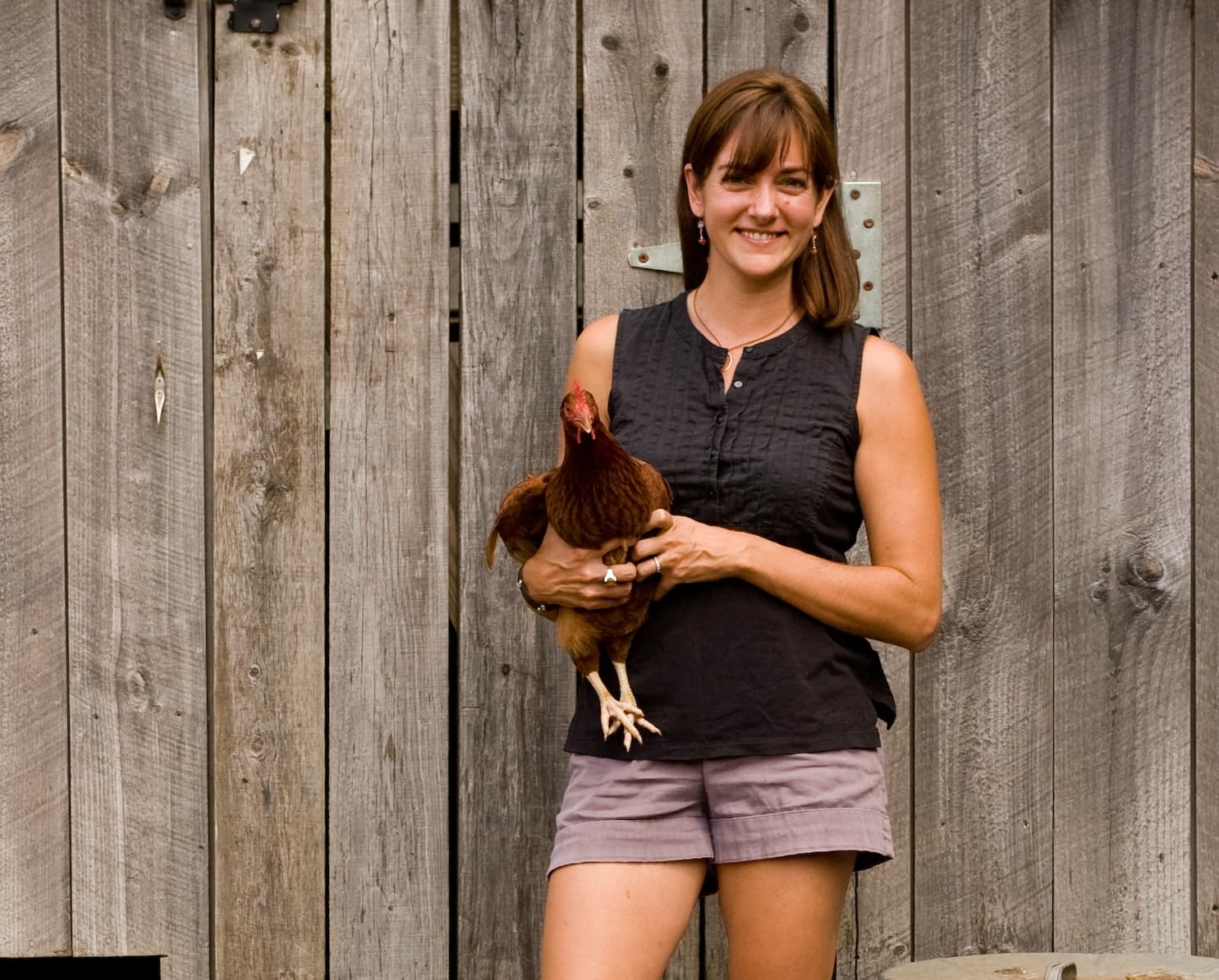
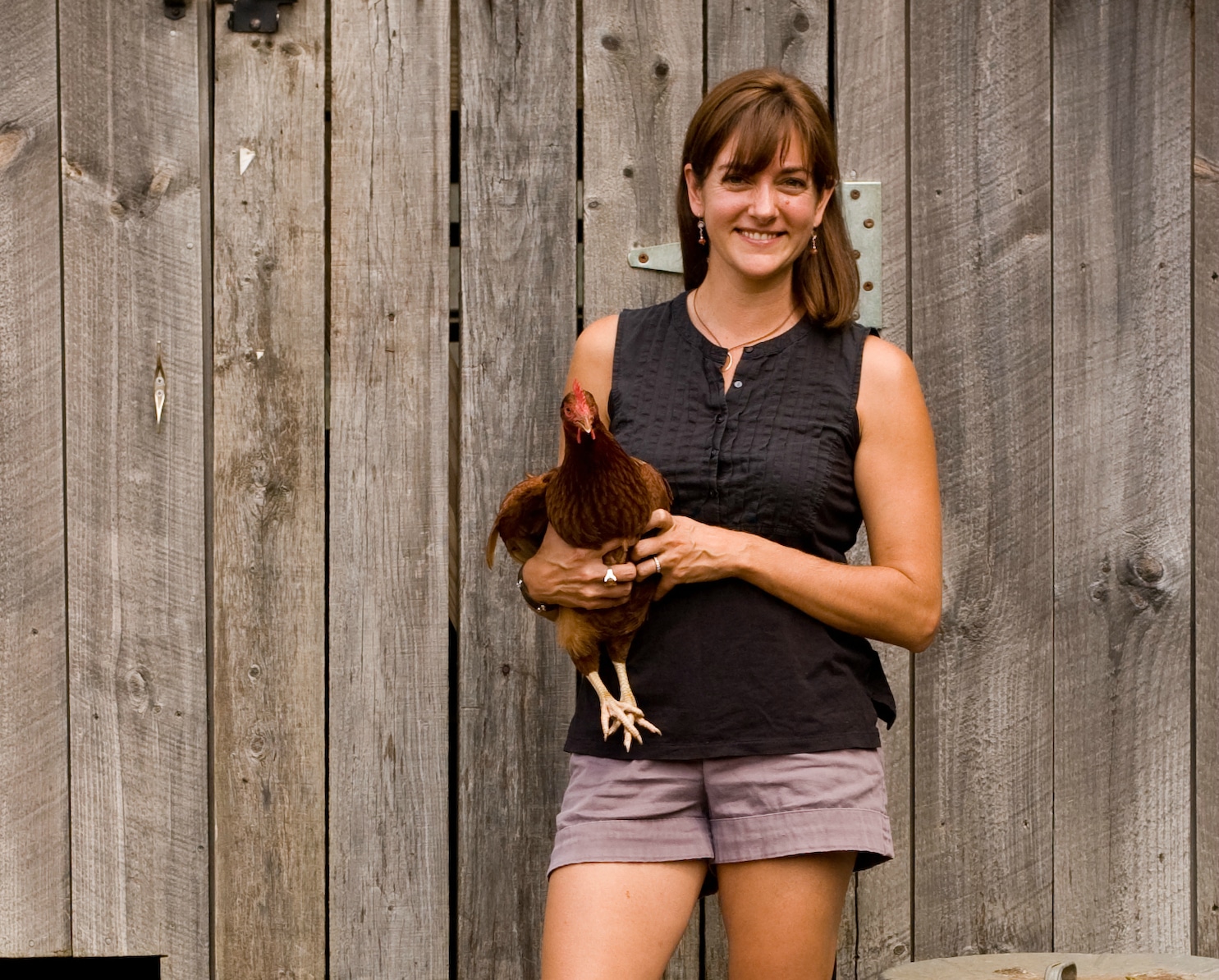
Diana Rodgers is the owner of Radiance Nutritional Therapy, a health coaching company on a mission to help clients rejuvenate their health through optimal nutrition and digestive support through offering cooking classes and health workshops. Diana also runs Clark Farm, an organic farm in Carlisle, Massachusetts with her husband, where they reside with their two children. But before her interest in sustainability, human health, and environmental and social justice, her interest in learning more about her food and human health was piqued by a life-altering event— a much needed Celiac’s diagnosis after a lifetime of suffering from weak digestion. After her diagnosis, she began a gluten-free dietary regimen that rendered her symptom-free within a few short weeks. It was then when she decided to learn more about food and food issues, leading her to the path she is on today. In this interview, Diana talks to Paleo Foundation about sustainable farming, farmed fish, climate change, and the Paleo Movement’s role in fostering the growth of the small-scale farming industry.
What was the most interesting thing that you learned from attending the Eat Red Meat, Save the World talk at Harvard Law School?
In addition to his work on the environment, Allan Savory has a lot of political experience. One person asked how change can happen on a big scale. His reply was that it has to come from the people. We have to MAKE the politicians change. My husband and I actually hosted the very next day to a class in Global Food Policy from Harvard’s Kennedy School of Government. While the class toured our farm, we discussed this same issue. People need to be the driving force behind the policy change, not politicians. I think this idea is something that can be applied to sustainability and the paleo movement. It’s important to educate folks on the issues so that they are the ones who demand change.
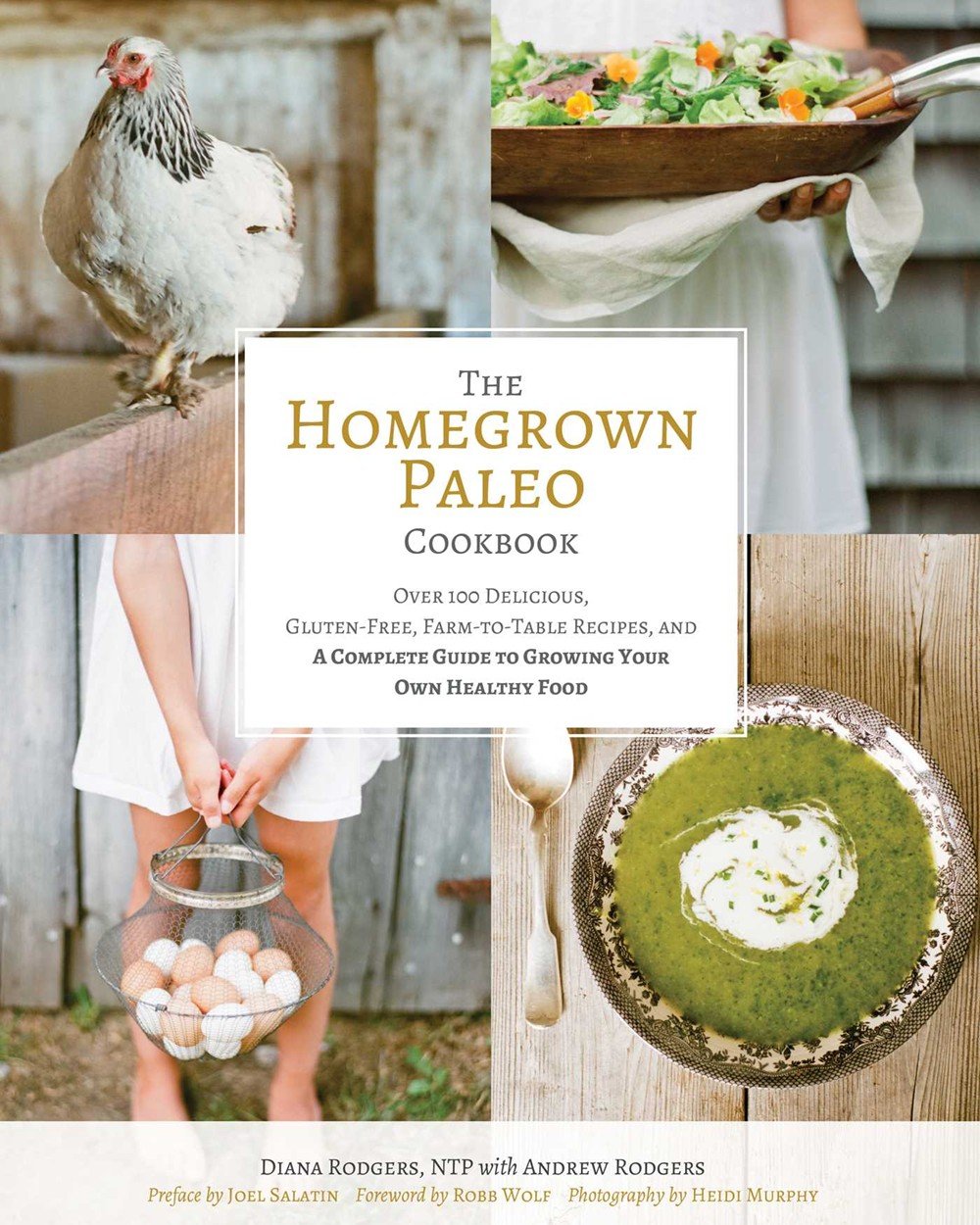 Get your copy of Diana's Homegrown Paleo Cookbook
How did you get into farming? How did you become a sustainability enthusiast?
I have worked on farms since I was a teenager as my summer job during high school and college. I loved being covered in dirt, being outdoors all day, and being so incredibly tired at the end of the day from the hard work. After I graduated college it was time to go out and got a “real job”. My boyfriend and I moved to Portland, Oregon and both landed jobs in the high tech world. On the weekends, we would escape the city and go for hikes. One place we visited frequently was a small farm where we learned about the concept of CSAs – Community Supported Agriculture. Andrew (now my husband) was fascinated by the idea that he could potentially make a living working outdoors, using his body, and most importantly, doing something important for the environment by helping to save the land from development. We moved back to Massachusetts, got married, and he went back to school to study soil science. He also apprenticed on a small farm to learn the practical end of farming skills. He was quickly hired to manage a financially troubled farm north of Boston. For the next ten years, we ran the farm together. He managed the fields and crew, and I helped run the store, produced events, and did the communications. We grew the CSA to over 400 members, started a successful apprentice program, ran an education program with local schools, and hosted some really cool events. The farm was financially stable and doing great. A couple of years ago, we had the opportunity to revive an old dairy farm in another town. Eager to find a more long term farming opportunity, we decided to move to this new farm. Today, we run a vegetable CSA and raise pigs, chickens, goats, and sheep. There is also a big education component to the farm, working with local schools and universities. I am pretty focused on my own education to become a Registered Dietitian and running my nutrition practice, but am still involved with the farm, though Andrew and his crew manage the daily farm activities. Blending my interest in nutrition with my knowledge of farm life seemed natural, so I started my blog, Sustainable Dish, and am working on a new book dedicated to helping people connect with their food.
In your opinion, what does it take to be a sustainable farmer?
The USDA website defines sustainable farming as farming practices which focus on environmental as well as financial aspects of farming. When I think of sustainable food production, I tend to think more about a goal of the farm is capable of thriving with as little off-farm inputs as possible, while still being a financially viable business. Every year we get a little closer to closing the loop and having a self-sustaining farm. I think a sustainable farm needs to incorporate basic principles of using animals along with growing vegetables, having diverse and multiple revenue streams, being a valuable part of your community, and spreading knowledge to the next generation of young farmers.
4. Have you ever considered that the domestication of animals, particularly large herbivores, may have been a mistake since it removed them from natural, erratic migrational patterns that Allan Savory has discovered to be so important to the vitality of the land?
 Is your question, 'Was the Neolithic revolution a good thing?’ It's not realistic that we are going to willingly go back to living as a paleolithic man. Things are too good for us. As we have been domesticating plants and animals, we have been domesticated.
As such, we no longer primarily hunt for our food. Although I do think it’s awesome that some folks are returning to living a rural, more wild existence, I am dedicated to finding practical solutions for people and do not believe in preaching radical ideas which are just not going to be a reality for most people.
If you think about the ethics of raising meat at all, it is an odd business for sure. A farmer has to spend so much time and energy and love to make sure the animals are growing and thriving. Then, when it's time to process them, he has to turn those emotions off and kill the animal. Of course he does the killing as humanely as possible, but still, he has gone from nurturer to predator, in a sense.
It’s something that any conscientious farmer would consider. However, I do think it’s better to give the animals a good life and humane slaughter if you’re going to eat them. I don’t personally know anyone who only eats wild caught meats 100% of the time and also is a contributing member to society.
I don’t think domestication in itself removed them from natural migration patterns. Some people assume we instantly took animals from their Edenic environment and plunked them into a factory farm. Industrial livestock production is riddled with ethical, economic and environmental problems. As we hunted animals to extinction and became less migrational, it became necessary to keep some large animals closer to our homesteads. We learned through many years of selective breeding which livestock and plants to raise/grow for better yields. I think we actually created a food source that could thrive alongside man.
So looking at what we’re given today, with so many people on the planet, how can we handle this? Raising animals in environments and on foods that most closely mimic their natural state, and treating them with respect and kindness is what we’re trying to do on our farm. We need more farmers doing this kind of work.
Is your question, 'Was the Neolithic revolution a good thing?’ It's not realistic that we are going to willingly go back to living as a paleolithic man. Things are too good for us. As we have been domesticating plants and animals, we have been domesticated.
As such, we no longer primarily hunt for our food. Although I do think it’s awesome that some folks are returning to living a rural, more wild existence, I am dedicated to finding practical solutions for people and do not believe in preaching radical ideas which are just not going to be a reality for most people.
If you think about the ethics of raising meat at all, it is an odd business for sure. A farmer has to spend so much time and energy and love to make sure the animals are growing and thriving. Then, when it's time to process them, he has to turn those emotions off and kill the animal. Of course he does the killing as humanely as possible, but still, he has gone from nurturer to predator, in a sense.
It’s something that any conscientious farmer would consider. However, I do think it’s better to give the animals a good life and humane slaughter if you’re going to eat them. I don’t personally know anyone who only eats wild caught meats 100% of the time and also is a contributing member to society.
I don’t think domestication in itself removed them from natural migration patterns. Some people assume we instantly took animals from their Edenic environment and plunked them into a factory farm. Industrial livestock production is riddled with ethical, economic and environmental problems. As we hunted animals to extinction and became less migrational, it became necessary to keep some large animals closer to our homesteads. We learned through many years of selective breeding which livestock and plants to raise/grow for better yields. I think we actually created a food source that could thrive alongside man.
So looking at what we’re given today, with so many people on the planet, how can we handle this? Raising animals in environments and on foods that most closely mimic their natural state, and treating them with respect and kindness is what we’re trying to do on our farm. We need more farmers doing this kind of work.
How are some wild-caught fish unsustainable options / Do you believe that some farmed fish are sustainable? Why or why not?
I’m not an expert on the seafood industry, however, I did recently do a little research on the topic. The seafood industry is very complex and this is a question many people are wondering right now. Of course, there are unsustainable options for wild fish. If every person in America ate wild salmon daily, we’d be in trouble. Numbers of wild stocks of some species are dwindling so it’s important to be considerate of the species of fish you consume. Just because there are enough of a certain type of fish, how does this impact the food source of another species? What about the resources used to package, refrigerate, can and transport fish? When looking at farmed fish, sustainable is a tricky word. Should fish that are fed grain be considered sustainable? Farmed fish are on the rise around the world and in 2013, farmed fish overtook wild fish in sales. This is only going to increase. When you compare farmed fish to factory farmed animals, fish do require much less grain to produce a pound of flesh. So, if I were to compare farmed fish to CAFO poultry, pork or beef, I would choose the fish. Some people consider certain types of farmed fish sustainable. I’m not so sure it’s black and white. I think responsibly farmed fish can be more sustainable than most industrially raised livestock. If looking at what animal flesh is best to consume from a nutrition and sustainability perspective, I think the best choices are pasture raised herbivores and bivalves from clean waters. I go into this topic more deeply in my post here.
What are the greatest benefits to decentralized food systems?
This is the topic of the lecture I presented at the Ancestral Health Symposium in Atlanta with Robb Wolf. Here are some of the highlights (though the answer to this question could be its own book). Local small scale agriculture can strengthen communities, be a more humane way to raise animals, support biodiversity, improve the lives of farmworkers, be better for the environment, and can help reverse hunger issues in many parts of the world. I’m not implying that just because a farm is small that it can do these things. I’m talking about small scale, sustainable farms.
What do you envision that this planet will look like in another 100 years?
Climatologists have lots of models that show the tropics continuing to warm (past the point where food can be produced) and the northern and southern latitudes are more hospitable to food production. Severe weather events create havoc everywhere leading to greater food insecurity. All sort of doom and gloom scenarios. Coastal regions will be especially threatened by weather events. Local food production will become increasingly important. I imagine agriculture will be done on much smaller levels.
If you had a microphone and you could reach the world with just one message, what would you say?
Goose!
In your idea of a utopian world, is there a complete separation of food and state?
People today are pretty uneducated when it comes to safe farming practices and I’m not sure they know or care enough to find out what goes into good food production. For example, I can’t tell you how many people have asked me if they can go down to the local dairy and get raw milk. It’s not always safe to just assume because a farm is small or the farmer has good marketing that the farm is doing things correctly and you won’t get sick. Our society is just too removed from the process. We are also dealing with gigantic corporations with closed door policies controlling most of the food production. Taking these things into account, I actually like the idea of an unbiased group making sure our food is safe. Unfortunately, there is also a lot of corruption going on at the same time. So, once again, this is a tricky question with no black or white answer.
Do you believe that the Paleo Movement has been, or will be, instrumental in the growth of the small-scale, family farming industry?
I hope so. Everyone, no matter what your beliefs, is participating in the world. If you are not thinking about your choices, you are still having an effect. I am so happy that the Paleo community is discussing food issues. I hope to be part of pushing some of these issues to those who are open-minded enough to listen. I think there will always be the folks who only care about how paleo makes them look or perform in the gym and will never care about sustainability issues. However, in the past year, I’ve really seen a big change in the amount of energy being put behind sourcing more pasture raised meats. The good thing is that the best meats nutritionally are also the best for the environment. Now it’s just time to get folks thinking about cooking seasonally, developing relationships with local farmers instead of having 10lbs of bacon shipped to them in Styrofoam, and to be more educated in general about good farming practices so they know what questions to ask their farmers. The change will happen from the people. Hmm, that sounds like a great book, doesn't it? Learn more about Diana checking out her book Paleo Lunches and Breakfasts On the Go, and by visiting her blog and website.
Share: