



Hand Sanitizers, Antimicrobials, and the Human Microbiome
Before the onset of the COVID-19 pandemic in early 2020, most people probably didn’t have dozens of bottles of hand sanitizer sitting in their family medicine cabinet. You might have occasionally used hand sanitizer when you visited the doctor´s office or maybe during a trip overseas. On a day-to-day basis, most people probably washed their hands after using the bathroom, and then never thought twice about other types of hand sanitization. With the onset of COVID, however, hand sanitizer...
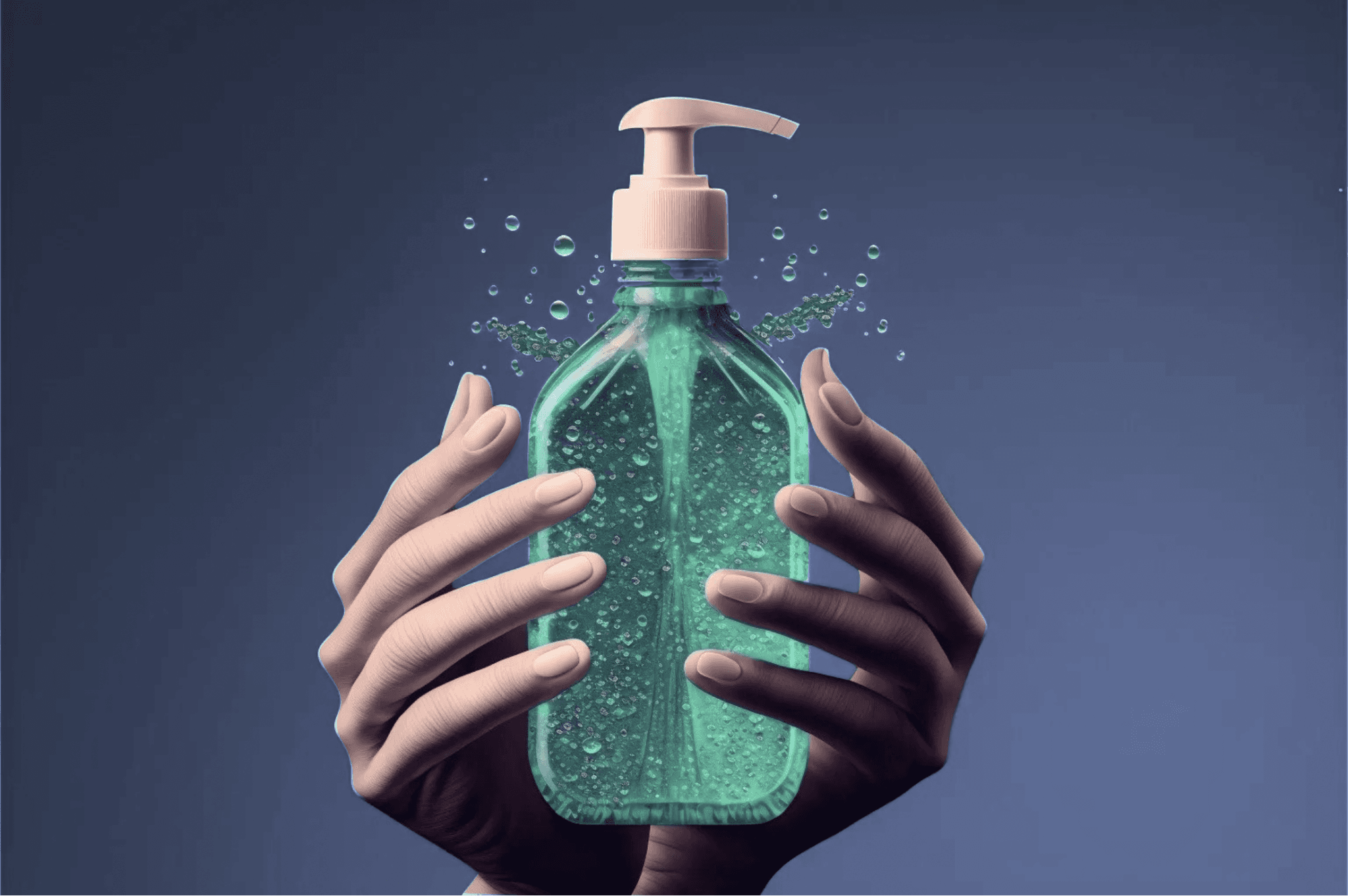
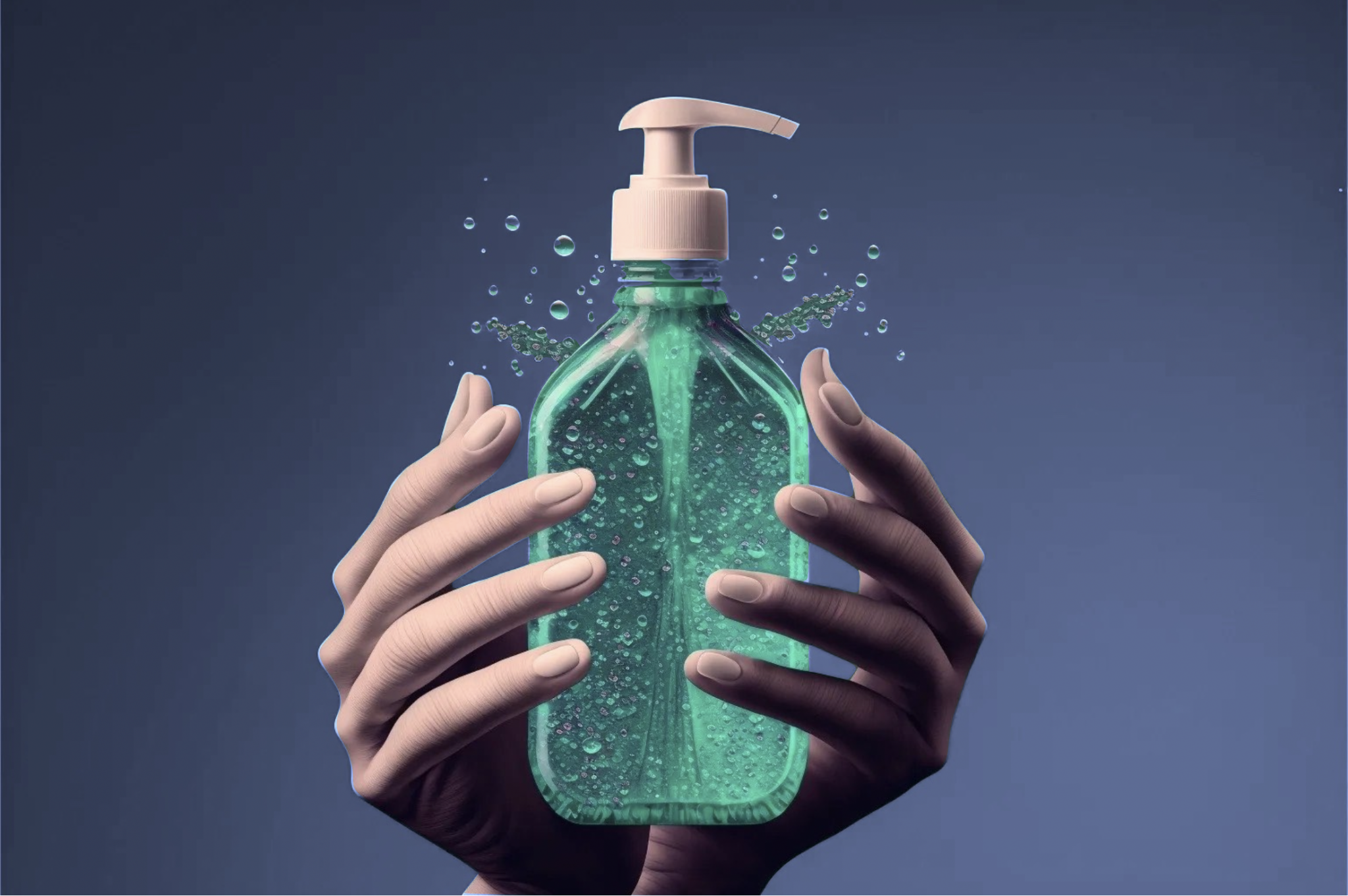
Before the onset of the COVID-19 pandemic in early 2020, most people probably didn’t have dozens of bottles of hand sanitizer sitting in their family medicine cabinet. You might have occasionally used hand sanitizer when you visited the doctor´s office or maybe during a trip overseas. On a day-to-day basis, most people probably washed their hands after using the bathroom, and then never thought twice about other types of hand sanitization. With the onset of COVID, however, hand sanitizer products on supermarket shelves were quickly emptied (along with other such “essentials” such as toilet paper). Though this may have been a necessary strategy in combatting COVID, what were some of the subsequent effects of antimicrobial use? Sales and use of hand sanitizer have skyrocketed since 2020. In fact, the United States hand sanitizer producer Purell reported that their hand sanitizer sales increased by 568 percent to USD 1.5 billion year over year through late February 2020 to meet the unprecedented demand for hand sanitizers. Though vaccines and face masks were the two most prominent and observable public health prevention policies during the pandemic (and perhaps the most criticized), the widespread use of hand sanitizers was also a major part of how people attempted to protect themselves. In this short article, we take a quick look at some potential side effects and consequences of the upsurge in hand sanitizer use. Specifically, we look at how hand sanitizers and much more focused attention on topical anti-bacterial and anti-microbial products may have affected our human microbiome.
Hand Sanitizers during the COVID-19 Pandemic
Prior to the COVID-19 pandemic, the use of hand sanitizers, strong anti-bacterial soaps, and other topical anti-microbial products was actually on the decline. After years of fearing germs, the mainstream medical establishment and popular opinion finally realized that living a germ-free life was a practical impossibility. Furthermore, we were finally realizing that our health and well-being depend on the diverse abundance of the millions of bacteria, fungi, protozoa, and other microbes that live in and on our bodies. In fact, back in 2014, the World Health Organization (WHO) made a firm announcement condemning our attitude of wanting to “eliminate” bacteria. This “anti-germ” attitude was a prime factor in increasingly serious antibiotic resistance, and the widespread, unnecessary use of hand sanitizers and anti-bacterial soaps (along with a general “germ-a-phobic” lifestyle) was part of the problem. Furthermore, the mainstream medical industry was also being revolutionized by research into the increasing importance of the human microbiome. The vast collection of all the genetic material in the millions of microorganisms that live on and in our bodies was being found to help prevent certain illnesses, promote immunity, and was a vital aspect to overall health and wellbeing. Hand sanitizers and strong anti-microbial topical products effectively kill bacteria and viruses. The problem, it was found, was that these products essentially killed off all microorganisms, both good and bad. The negative effect on the skin microbiome was seen as a negative consequence that may have been causing worse health outcomes than the “bad” microbes that may have been lurking on your hands. However, with the arrival of the COVID pandemic, these concerns regarding the adverse effects of strong, topical antimicrobials were pushed to the back burner. Though some people may have worried about how regular use of hand sanitizer products might negatively affect the microbiome, the need to sanitize and protect one´s self from COVID outweighed these concerns. It is important to note that hand-sanitizing products almost certainly played an essential role in helping to reduce the transmission of the COVID-19 virus. Unfortunately, there doesn’t seem to be an effective way of destroying the COVID-19 virus on our hands without damaging the rest of the skin microbiome. The skin microbiome, or the millions of microorganisms living on your skin, acts as the “first layer” of protection for virtually any type of foreign substance that comes into contact with your body. In this sense, the skin microbiome is a sort of barrier wherein anything that comes into contact with your body must first come into contact with those microorganisms.
A Few Possible Negative Effects of Widespread, Regular Use of Hand Sanitizers
Hand sanitizers, strong antibacterial soaps, and other similar products are known to kill almost all members of the skin microbiome living on your hands. But what exactly are the consequences and potential problems for human health and the broader environment of this practice over the long term?
Issues with Toxicity and Alcohol Poisoning: Most hand sanitizers are made from either ethanol or isopropanol alcohol, and the most widely sold products have high concentrations, between 90 and 95 percent. When people apply these high concentrations of alcohol onto their skin dozens of times each day, there is a potential risk for toxicity. Onerecent study found that regular, prolonged use of hand sanitizer could cause a low but measurable concentration of alcohol in the blood. These levels are below acute toxic levels, and the same review found no evidence linking topical ethanol to skin cancer, but ethanol can cause skin irritation or contact dermatitis, and its long-term effects have not been well studied. Similarly, it is important to note that accidentally ingesting hand sanitizers is another serious health risk that has notably increased since the onset of the pandemic. Children who accidentally ingest hand sanitizer products may be at risk of alcohol poisoning. In fact, during the first couple of months of 2020, The American Association of Poison Control Centers reported over 9,000 cases of alcohol poisoning in children under the age of 12.
Antimicrobial Resistance: The more we use hand sanitizers and strong antibacterial soaps, the higher the risk that some bacteria on our hands will learn to resist these antimicrobial products. Superbugs or bacteria that have mutated to be able to resist antibiotics and other antimicrobial products are a serious public health problem. According to some estimates, antimicrobial resistance may be the direct cause of more than 700,000 deaths each year around the world. In the specific case of hand sanitizers, several studies are linking the repeated use of topical sanitizers and antimicrobials with a sharp increase in microbial resistance. In fact, one study specifically shows that some bacterial strains have already become somewhat tolerant to the alcohol in hand sanitizer products. For example, bacteria such as E. coli and Pseudomonas aeruginosa (which can cause pneumonia and infections of the bloodstream) are 48 percent and 64 percent resistant to all available sanitizers on the market.
Changes to the skin Microbiome: As we mentioned above, regular, prolonged use of hand sanitizers will inevitably kill off the beneficial and health-promoting bacterial flora that is naturally present on our skin. The skin microbiome, plays a fundamental role in helping to prevent the invasion of other potentially pathogenic microorganisms, such as viruses and bacteria.
Furthermore, and perhaps even more worrisome is the fact that extensive and prolonged used of hand sanitizers and other topical microbial products may reduce the number and the diversity of the trillions of microbes living in our gut. It is estimated that 70 to 80 percent of our immune cells live in the gut, and ingested alcohol has been shown to be able to alter the gut microbiome. The microbes in our guts play a key role in helping to digest food and producing the necessary chemicals that boost immune function. Hand sanitizers may disturb the gut microbiome, thus leading to a loss of species diversity and increasing the chance of inappropriate response to harmless proteins. In fact, it is estimated that humans today have 40 percent less gut and mouth microbial species diversity than hunter-gatherers and pre-medieval people. Though there are obviously several causes of this phenomenon (antibiotic use, urban living, sterile environments, processed foods, etc.), excessive hygiene practices, such as regular hand sanitizer use, may also be playing a role.
- An Increase in Other Infections: Another unintended consequence of excessive reliance on alcohol-based hand sanitizers is that this practice may lead to an increase in other types of serious infections. Alcohol-based hand sanitizers are extremely effective in killing off certain pathogens, such as novel coronaviruses. However, they are ineffective in eliminating other pathogens, such as parasites like Cryptosporidium, certain bacteria including Clostridium difficle, and other viruses such as Norovirus. All of these pathogens cause severe diarrhea and vomiting. Clostridium difficile is one notorious example, as it is one of the most severe examples of antimicrobial resistance. The combination of C. difficile´s antimicrobial resistance and the general ineffectiveness of hand sanitizers in the killing of this pathogen could lead to a dangerous increase in these types of infections.
What Alternatives do We Have to Hand Sanitizer?
With new strains of the COVID-19 virus continuing to evolve, large segments of the population will continue to implement strict hygienic practices, including the regular, constant use of hand sanitizers and other topical antimicrobial products. After two years of being bombarded with the admonition to constantly disinfect our homes, workplaces, and our bodies, many people may have stockpiled a small arsenal of hand sanitizers that will last a lifetime or more. The effects of these hand sanitizers on the skin microbiome should continue to be discovered by scientists and researchers in the coming years. Though we do have general knowledge about the thousands of different types or species of bacteria that live on our skin, we don’t have thorough knowledge about the specific functions of these bacteria. By learning how certain microbes boost our immune system and keep us healthy, then medical professionals might be able to come up with more precise suggestions for how often and in what situations using hand sanitizer might be a good idea. Given what we know about the adverse effects on the skin (and possibly gut) microbiome, some people may choose to use hand sanitizer in moderation or only when they find in themselves in a situation where COVID infection is a higher probability. For now, some people may consider doing a microbiome signature to reveal similarities in bacterial profiles that reveal causative associations between changes in the microbiome in health and disease. A microbiome signature can help individuals gain functional insights into host-microbe interactions. They also provide a powerful tool to investigate complex mechanisms of host-microbiota relationships and allow us to identify and establish hypothesis-driven targets for potential therapies. Furthermore, there are other practical strategies that people can engage in to reduce the scope of damage to our microbiome while still staying safe against the COVID-19 virus and other pathogens. Regarding hand washing, virtually anything that foams will clean your hands and help you maintain proper hygiene. Instead of strong disinfectants, gentle surfactants, pH-appropriate products, and regular hand soap can be substituted for stronger antimicrobial products. Furthermore, when you do apply hand sanitizers or other disinfectants, it might be a good idea to have “on hand” a cream that will help you strengthen and replenish your skin microbiome with prebiotic and probiotic products. This will ensure that your skin microbiome maintains a flourishing diversity to help protect you against pathogens.
Related Reading
Share: